I'm Azariah Jebin — I predict pediatric brain tumor biomarkers from tissue slides, design multi‑agent architectures for autonomous decision systems, and take the harder path over the faster one.
AI/ML Engineer with an M.S. in Artificial Intelligence from UT Austin (GPA 3.7). Author of NeuroGraph, a spatially informed GNN framework predicting pediatric brain tumor biomarkers directly from H&E whole slide images, achieving a mean AUC of 0.761 across 5 biomarkers on 182 real-world clinical cases in collaboration with Dell Medical School.
Background spans 3 years of production data engineering at Capgemini (concurrent with MSAI) and active freelance ML work. Committed to building AI that functions reliably under messy, resource-constrained, real-world clinical conditions.
GNNs that reason about tissue topology, not just pixel averages.
182 IRB‑approved cases, validated with the collaborating neuropathologist at Dell Medical School.
Ran ETL pipelines and LLM systems while completing my M.S. – fully in parallel.
Built and shipped a production app to the Play Store – end‑to‑end, solo.
One answers it in a hospital. The other answers it in an insurance claim. Same underlying bet — that confidence, quantified honestly, is what makes autonomy trustworthy.
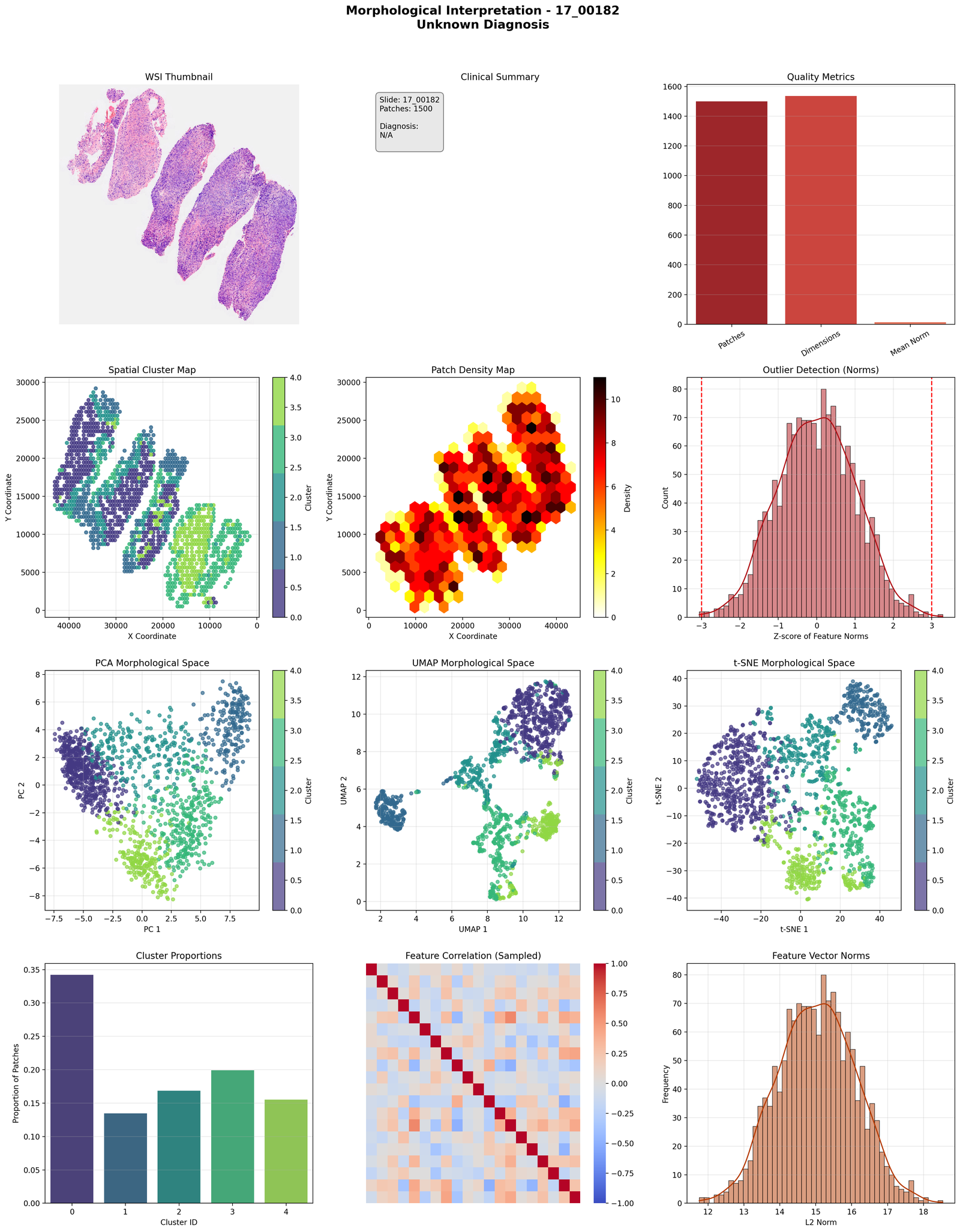
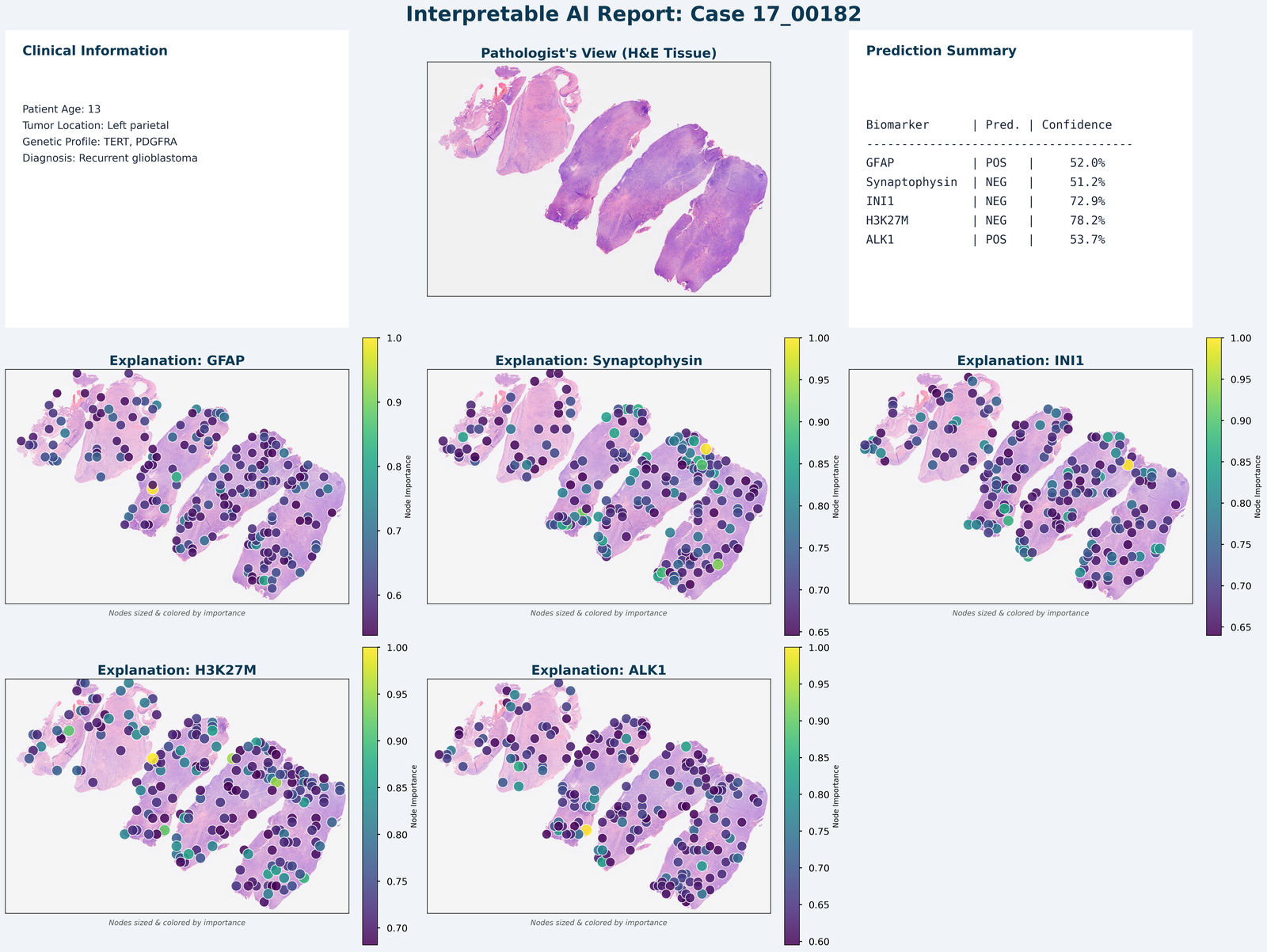
A graph neural network that predicts five molecular biomarkers for pediatric brain tumors directly from routine H&E tissue slides — no additional lab work required. Validated on 182 real, IRB-approved cases from Dell Medical School.
They discard the spatial relationships a pathologist actually reads.
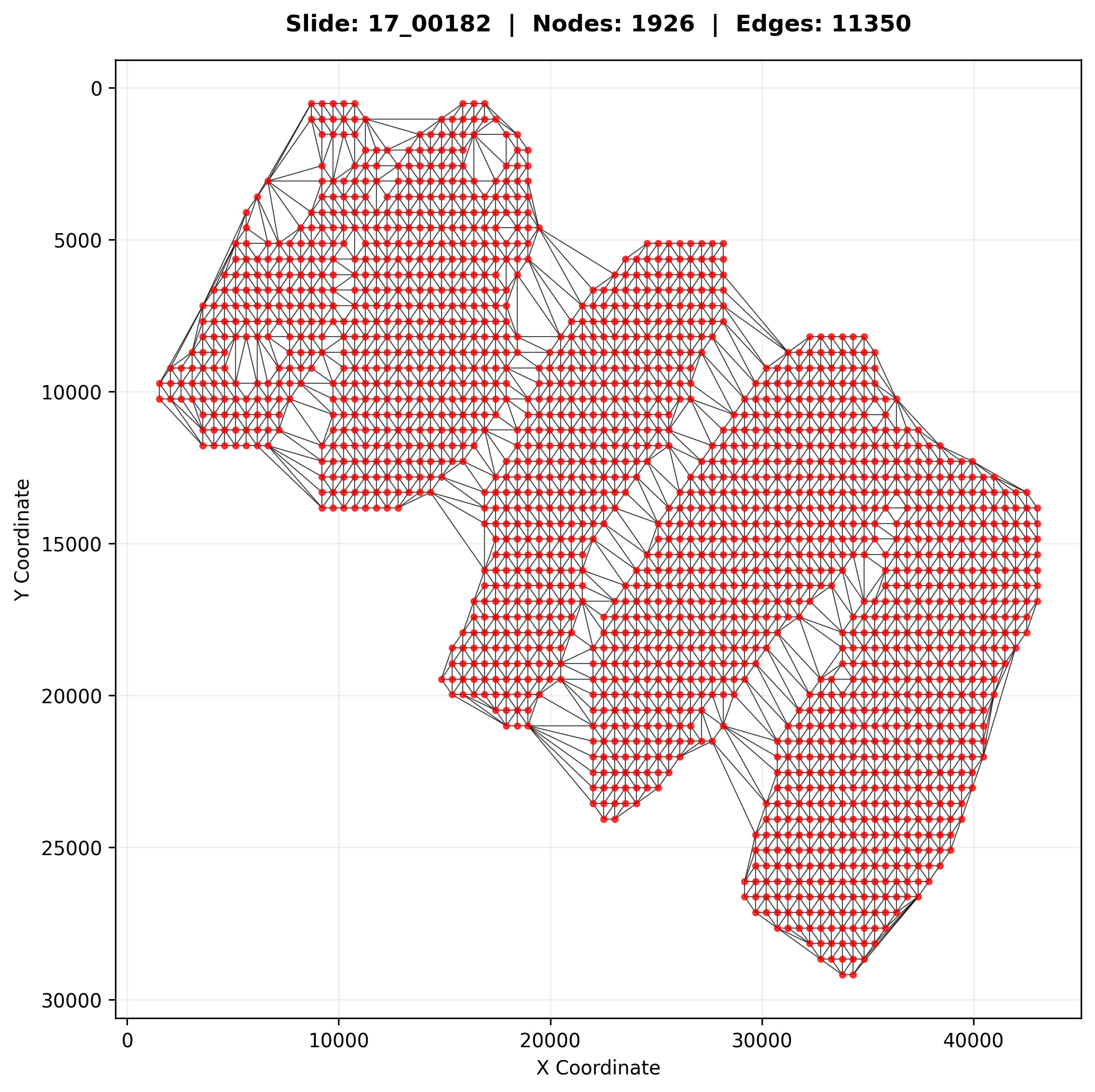
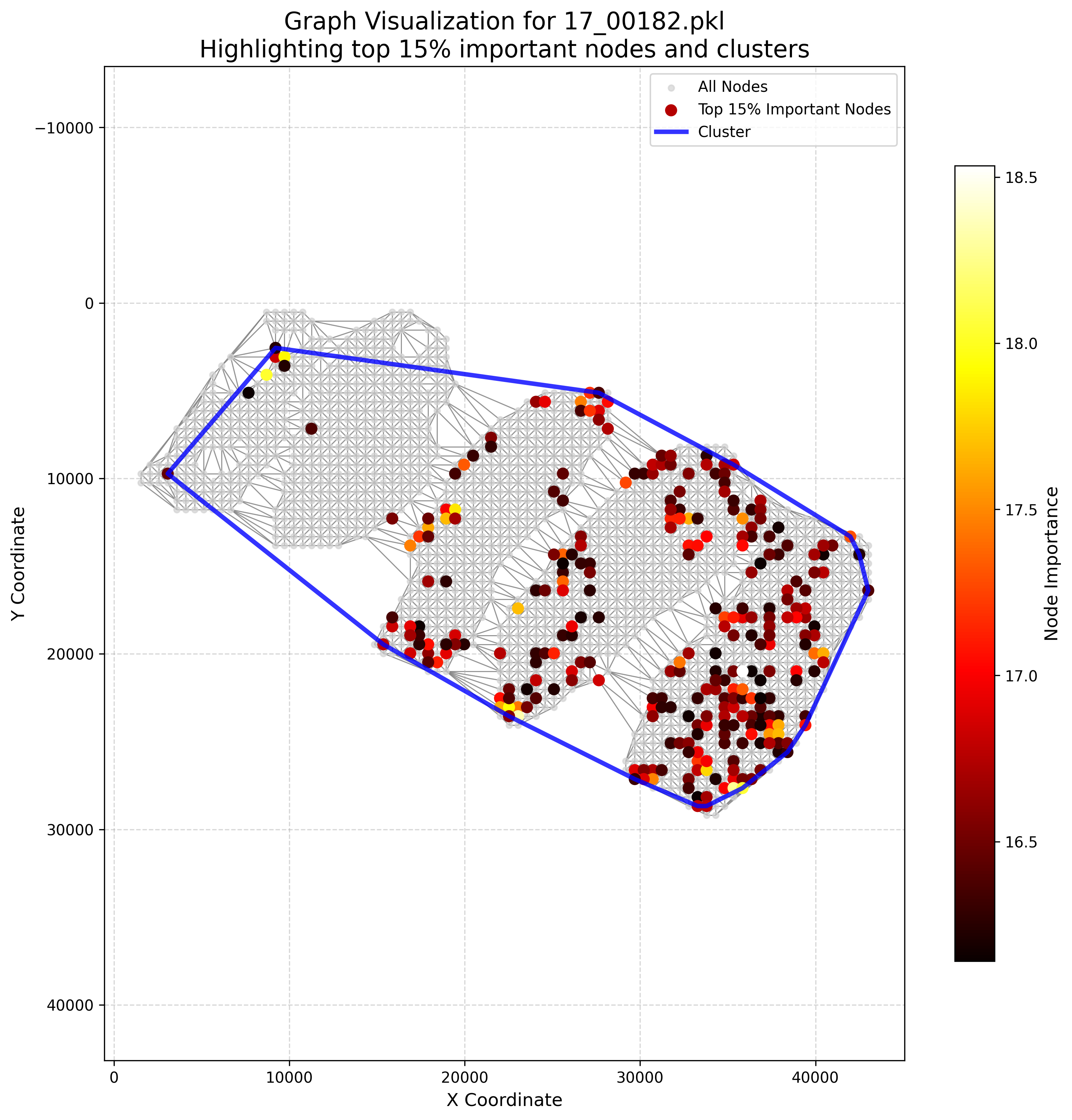
400–6,000 nodes per slide, each one a real tissue patch.
Three stacked blocks read tissue gradients across every connection.
Highlighted regions correctly localized AT/RT rhabdoid morphology for INI1.
Validated against an IRB-approved pediatric cohort at Dell Medical School.
WSIs, genomics, and methylation profiles, fused into one model.
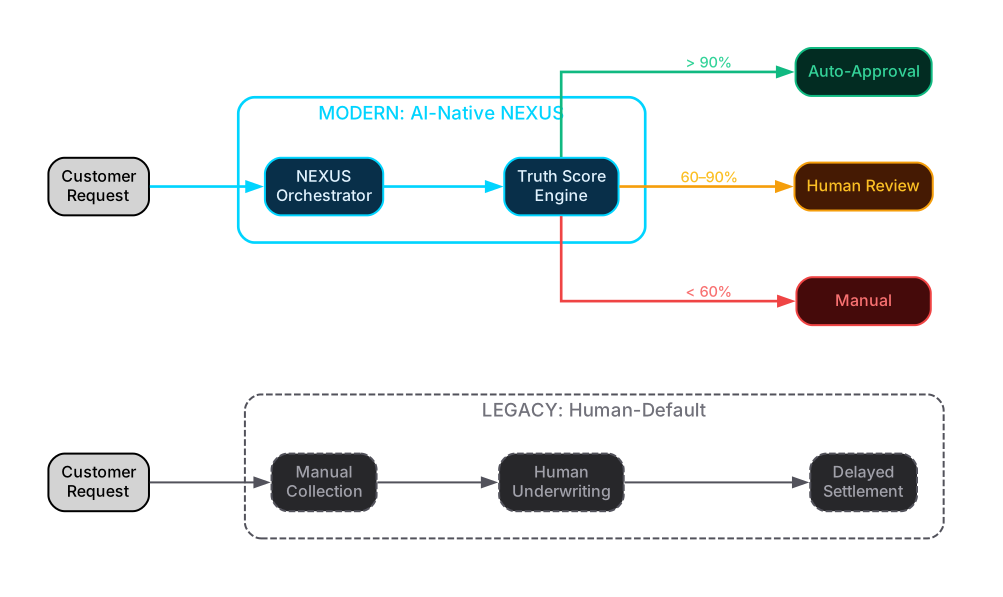
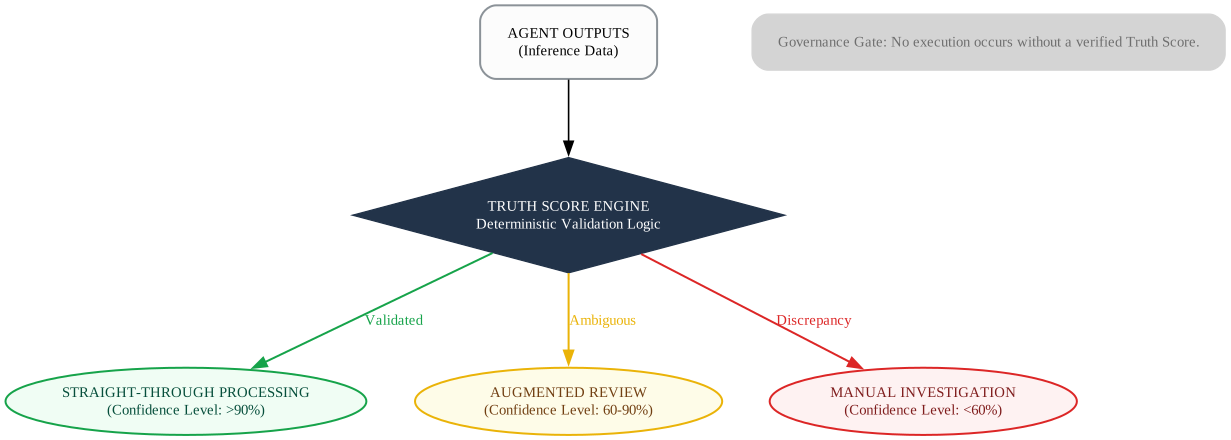
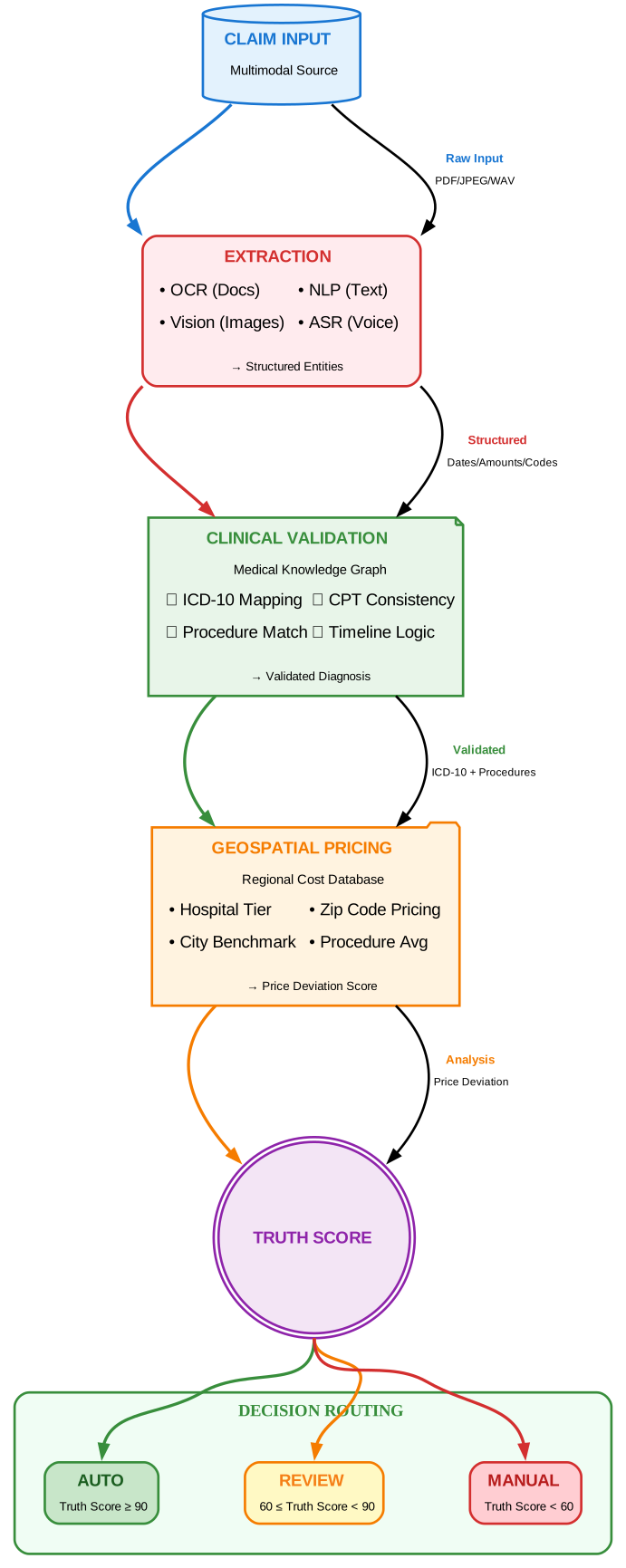
A multi-agent framework re-architecting insurance from human-default to AI-native, governed by the Truth Score Engine — a confidence metric that decides, per claim, whether a human ever needs to look at it.
A person is the primary operator at every step — the bottleneck by design.
Each one reasons about a single domain — risk, pricing, fraud, medical validity.
A penalty-adjusted metric built on evidential deep learning principles.
Human attention is spent only where the system's own confidence says it's warranted.
Most systems review everything the same way. Confidence-aware routing doesn't.
The interactive Truth Score simulator is live in the NEXUS card above.
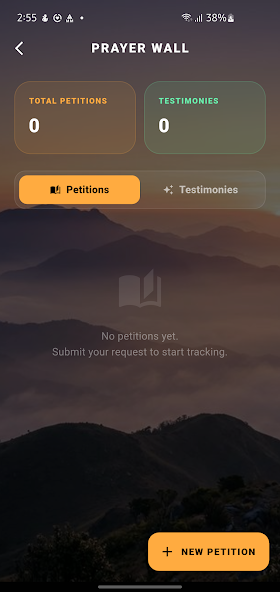
A distraction-free Bible study and daily reading app: multiple translations (KJV to historical texts like the Geneva Bible, to literal translations like Young's Literal), full offline access, fast verse search, bookmarks, a prayer journal, and reading-streak tracking. No ads, no subscriptions. Shipped end-to-end on my own — the one thing here that went from idea to a real user's phone with no lab, no client, no deadline but my own.
A hypothesis-only ELECTRA-Small baseline hit 60.12% accuracy on SNLI from spurious artifacts alone. Product-of-experts debiasing showed light correction (α=0.2) improves robustness while aggressive correction (α=0.8) degrades accuracy (89.6% → 87.9%) — debiasing is a genuine trade-off, not a free lunch.
Two-stage pipeline — YOLOv5 for spatial localization, EfficientNet for feature classification — built around edge-device constraints. Custom augmentation pipelines for background-noise robustness, profiled for FPS and memory footprint rather than raw accuracy alone.
Trajectory-prediction planners (MLP, CNN, Transformer variants) for autonomous racing, with custom loss functions targeting lateral/longitudinal error. ~40% trajectory accuracy gain over baseline, validated in PySuperTuxKart.
Residual U-Net for simultaneous road segmentation and monocular depth estimation, with multi-task loss functions aimed at real-time inference speed for downstream planning.
Predicting pediatric brain tumor biomarkers from H&E WSIs using Graph Neural Networks. Advisors: Dr. Ying Ding, Dr. Leqi Liu · Clinical: Dr. Chandra Krishnan, Dell Medical School.
A multi‑agent architectural framework for autonomous enterprise workflows, introducing the Truth Score Engine for confidence‑aware decision routing.
Sensitivity analysis of ensemble‑based debiasing on SNLI. Quantified trade‑off between leaderboard accuracy and robust generalization.
Three years running production data engineering and graduate AI research in parallel.